
What Is a Curb Alert?
A curb alert is a notification that someone has left free items on the curb or sidewalk for anyone to take. The term is popular in the US but the practice is universal: people leave furniture, electronics, clothes, and household items outside their home — often with a "free" sign or simply next to the bins — rather than paying for disposal or waiting for bulk trash pickup.
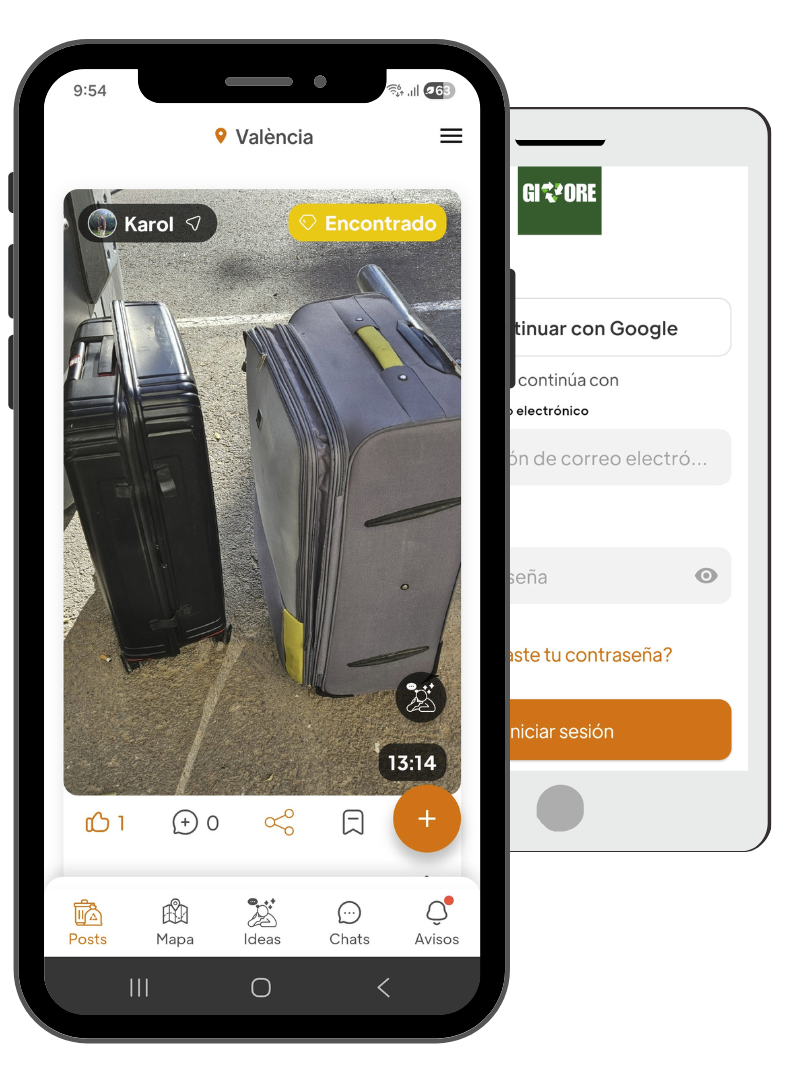
Curb alerts appear on social media, neighborhood apps, and community groups. But the fastest way to find curb alerts near you is with Givore: a map-based community app where people post free items in real time. You see exactly where each item is on the map, receive notifications when someone posts near you, and message them directly to coordinate pickup.
Street finds are most abundant at the end of the month when leases expire and people move. University areas are especially productive at the end of academic terms in May, June, and September, when students leave behind enormous quantities of furniture and household goods.
Best Street Finds: What People Give Away Most
These are the most common free items you will find in curb alerts and street finds:
- Furniture — Sofas, chairs, tables, desks, and bookshelves are the most frequently given away items. Moving is expensive and furniture is heavy; many people prefer to give it away rather than haul it.
- Electronics — Old TVs, computer monitors, printers, and small kitchen appliances appear regularly. Often fully functional, just replaced by a newer model.
- Clothes and shoes — Bags of clothes are common, especially near end-of-lease dates. Children's clothes in particular are given away frequently as kids grow out of them quickly.
- Books — Textbooks, novels, and encyclopedias. Especially common near universities at the end of semesters.
- Kitchenware — Pots, pans, dishes, and small appliances. Students leaving apartments often leave behind an entire kitchen's worth of items.
- Toys and games — Board games, sports equipment, and children's toys are frequently given away as families clear out space.
How to Find Curb Alerts Near You
Here are the most effective ways to find free street finds in your area:
- Givore app — Open the map view to see all free items posted near you right now. Enable notifications for the categories you want (furniture, electronics, clothes) and your radius. You will be alerted the moment someone posts something nearby — giving you a head start before others see it.
- Walk your neighborhood — Especially effective at the end of the month. Walk residential streets and look for items next to bins or with "free" signs. Weekends are the most productive time.
- Community groups — Facebook groups for your neighborhood, Nextdoor, and local Buy Nothing groups often have curb alert posts. These tend to be slower and less organized than a dedicated app.
- University areas at term end — Check neighborhoods near universities in late May, June, and September. Students leave behind everything they cannot pack, and the quantity and quality of street finds is extraordinary.
How to Post a Curb Alert with Givore
Found something on the street that others should know about? Or leaving something on the curb yourself? Here is how to post a curb alert with Givore:
- Take a photo — Photograph the item clearly. Show its condition honestly, including any damage or wear. Good lighting makes it much easier for people to decide if they want it.
- Tap "Post" — Open Givore and tap the post button. Upload your photo and add a brief description: what it is, its condition, and whether it is on the curb, inside a doorway, or at a specific location.
- Confirm the location — Givore detects your location automatically. You can adjust the pin to mark the exact spot where the item is. Precision matters — people will navigate directly to the pin.
- Respond to messages — When someone is interested, they will message you through the app's chat. Let them know if the item is still available and confirm the pickup. Mark it as taken once it is gone.
Pro tip: Post curb alerts as soon as you leave the item outside. Items on the curb can disappear within minutes in busy neighborhoods. The faster you post, the more likely someone nearby gets it rather than it being taken by strangers or left to rain.
Tips for Picking Up Street Finds
- Inspect before you take — Check furniture for structural damage, upholstered items for mold or odors, and electronics for obvious physical damage. It is fine to decline an item after seeing it in person.
- Plan your transport — Measure large items before going. A cargo bike, borrowed truck, or rental van makes all the difference for furniture. For nearby finds, a hand cart works well.
- Bring help for heavy items — Sofas and large furniture require two people. Do not attempt to move them alone.
- Act fast — Good street finds disappear quickly. Respond to Givore notifications promptly and be flexible with pickup timing.
- Clean before bringing inside — Give any street find a thorough wipe-down or vacuum before bringing it into your home. For upholstered items, a fabric-safe spray is worth using.
Curb Alert FAQs
What does "curb alert" mean?
A curb alert is a notification that someone has left free items on the curb or sidewalk outside their home for anyone to take. The term is widely used in community groups and neighborhood apps. When someone posts a curb alert, they are letting neighbors know that free items — often furniture, clothes, or electronics — are available for immediate pickup at a specific address.
How do I find curb alerts near me?
The fastest way is to use the Givore app: open the map view to see all free items posted in your area, enable notifications for categories you want, and you will be alerted when someone posts a curb alert nearby. You can also check local Facebook groups, Nextdoor, or Buy Nothing groups. Walking residential neighborhoods at the end of the month is also effective, especially near apartment complexes.
When is the best time to find street finds?
The last week of the month is the best time, as this is when most leases expire and people move. University neighborhoods are especially productive at the end of academic terms (late May, June, and September). Weekends tend to have more activity than weekdays. Set up Givore notifications so you are alerted immediately when someone posts a street find in your area — the best items go within minutes.
Is it legal to take items left on the curb?
In most jurisdictions, items left on the curb with a "free" sign or next to bulk trash are considered abandoned property and are free to take. When someone posts a curb alert on Givore or any community app, they are explicitly inviting others to take the item. If you are unsure, it is always polite to confirm with the poster through the app before picking up.
How do I post a curb alert on Givore?
Download Givore, create your account, and tap "Post." Take a photo of the item, add a brief description and the exact location (the app pins your GPS location automatically). Your curb alert is live within seconds and notifies nearby users who have alerts set up for that category. You can mark it as taken once it has been picked up.
What are the best street finds to look for?
Sofas and large furniture are the most commonly posted curb alerts — they are expensive to dispose of and too heavy to move far. Other great street finds include bookshelves, tables, office chairs, lamps, kitchen appliances, boxes of books, and bags of clothes. Electronics like TVs and computer monitors also appear regularly. Enable Givore notifications for all these categories to catch them as soon as they are posted.

